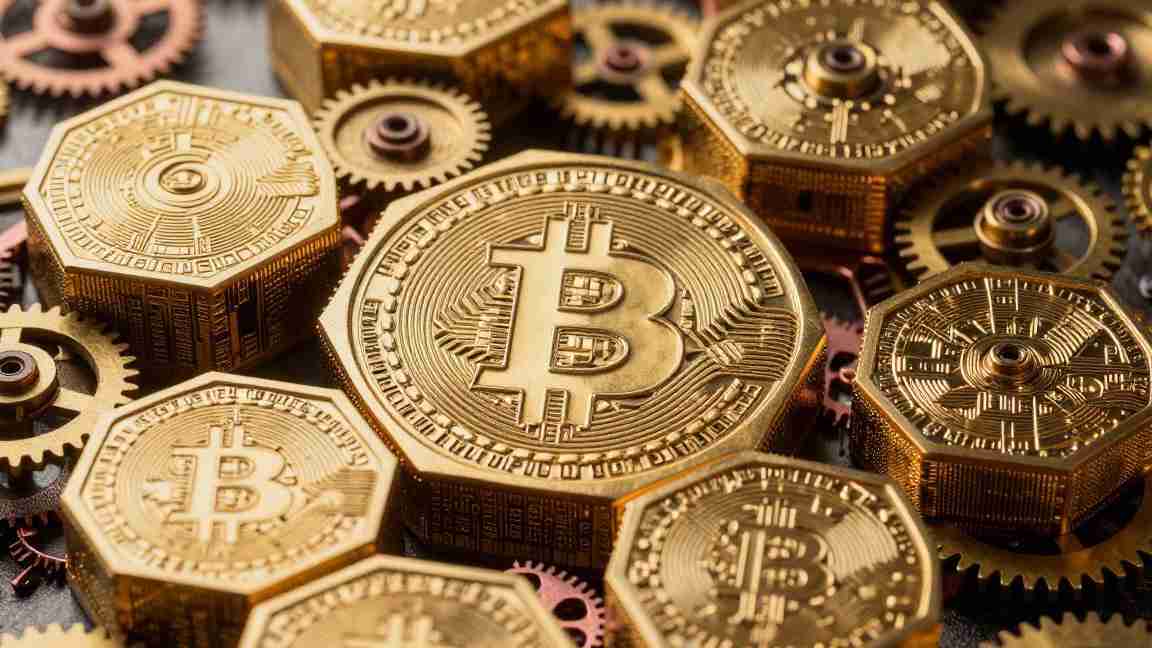
A Brief Introduction to Bitcoin BTC)
Bitcoin (BTC), often referred to as "digital gold," is the world’s first decentralized cryptocurrency and a groundbreaking innovation in the realm of finance and technology. Launched in 2009 by an anonymous person or group using the pseudonym Satoshi Nakamoto, Bitcoin was created to offer an alternative to traditional financial systems, operating without a central authority like a bank or government.
What Is Bitcoin
At its core, Bitcoin is a digital currency that enables peer-to-peer (P2P) transactions directly between users, eliminating the need for intermediaries. It is built on a technology called blockchain—a distributed, immutable ledger that records all transactions across a network of computers (nodes). Each transaction is verified by network participants through a process called "mining," where powerful computers solve complex mathematical problems to validate transactions and add them to the blockchain. In return, miners are rewarded with newly created bitcoins and transaction fees.
Key Features
- Decentralization: Unlike traditional currencies, Bitcoin is not controlled by any single entity. Its decentralized nature ensures no government or institution can manipulate its supply or value unilaterally.
- Limited Supply: Bitcoin has a fixed supply cap of 21 million coins, enforced by its underlying code. This scarcity is often compared to precious metals like gold and is a key factor in its perceived value.
- Transparency: All Bitcoin transactions are recorded on the public blockchain, allowing anyone to verify the history of a coin. However, user identities remain pseudonymous, linked to cryptographic addresses rather than personal information.
- Security: The blockchain’s decentralized structure and cryptographic make it highly resistant to fraud and hacking. To alter a transaction, an attacker would need to control over 50% of the network’s computing power, an impractical feat for large networks.
Significance and Impact
Bitcoin has pioneered the broader cryptocurrency and blockchain industry, inspiring thousands of digital assets and innovative applications. It has introduced concepts like "digital scarcity" and "decentralized finance" (DeFi), challenging traditional financial systems and sparking global discussions about the future of money. For many, Bitcoin serves as a store of value, a hedge against inflation, or a means of financial inclusion for unbanked populations.
Challenges and Criticisms
Despite its popularity, Bitcoin faces challenges, including price volatility, slow transaction speeds (compared to traditional payment systems), and concerns about energy consumption due to mining. Regulatory uncertainty also remains a hurdle, as governments worldwide grapple with how to classify and oversee cryptocurrencies.
Conclusion
Bitcoin represents a paradigm shift in finance, merging cryptography, distributed technology, and economic theory to create a new form of digital money. While its long-term trajectory is still unfolding, its impact on technology, finance, and global commerce is undeniable. As the first and most well-known cryptocurrency, Bitcoin continues to pave the way fo